ByJohn A
How Technology Is Supporting Remote Learning
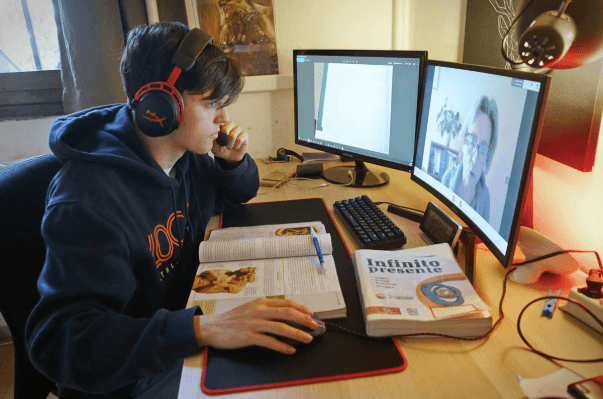
Technology enables flexible, real-time learning through accessible platforms and adaptive collaboration. Real-time feedback, options for asynchronous work, and user-controlled interfaces support varied needs. Bandwidth-aware delivery and low latency improve experience and engagement. Rigorous tool evaluation and inclusive design are essential for scalable, private access. By tracking impact and equity, educators can align practical outcomes with evidence, sustaining engaging remote learning contexts. This balance invites further examination of how such practices shape future outcomes.
How Technology Enables Flexible, Real-Time Learning
Technology enables flexible, real-time learning by delivering instructional content through digital platforms that learners can access anywhere and anytime. Platforms support adaptive collaboration, tailoring tasks to individual pace while maintaining shared goals. Real-time feedback and asynchronous options balance autonomy with accountability. Bandwidth optimization reduces latency, ensuring smooth experiences. Evidence suggests improved engagement when users control timing, data use, and interface complexity, reinforcing learner freedom.
Evaluating Tools for Remote Learning Success
Evaluating tools for remote learning success requires a systematic approach that combines evidence, context, and practicality. Analysts compare features, reliability, and user feedback to identify effective solutions. Clear assessment benchmarks guide decisions, while considerations of equitable access ensure inclusion. The process emphasizes scalability, data privacy, and support structures, enabling institutions to select tools that align with learning goals, outcomes, and real-world constraints.
Personalization and Student Engagement Through Tech
Effective personalization strategies tailor content and pacing, while interactive platforms foster student engagement through choice, feedback, and collaboration.
These approaches preserve learner autonomy, scale instruction, and align with evidence, practicality, and accessible design for diverse settings.
Measuring Impact: Analytics, Access, and Equity
Measuring impact in remote learning centers on three interrelated pillars: analytics, access, and equity. Analysts quantify engagement, outcomes, and resource use, while institutions evaluate barriers to participation.
Access considerations include connectivity and device reliability, plus inclusive design. Equity requires transparent practices, community involvement, and ongoing improvement. Privacy concerns and data sovereignty must guide data governance, ensuring trust and accountability while supporting scalable learning improvements.
Frequently Asked Questions
How Do Schools Ensure Data Privacy in Remote Learning Platforms?
Data privacy best practices guide districts to implement platform access controls, minimising unnecessary exposure, while encryption and regular audits verify safeguards. Schools adopt role-based access, incident response plans, and transparent data handling to empower stakeholders with informed freedom.
What Are Cost Considerations for Long-Term Technology Use?
Cost considerations for long-term technology use rely on cost modeling and budget forecasting to project total ownership costs, including hardware, software, maintenance, and staff training, while weighing resilience, scalability, and informal user freedom in prudent, evidence-based decision making.
How Can Parents Support Tech-Enabled Learning at Home?
“Neptune-ships” enable parents to support tech-enabled learning at home through structured routines. The approach emphasizes time management and digital collaboration, leveraging evidence-based tools, clear expectations, and accessible resources to empower families while preserving learner autonomy and freedom.
What Strategies Boost Student Motivation in Online Environments?
Motivation strategies arise from clear goals, timely feedback, and meaningful choice; online engagement improves when tasks are authentic, motivation is intrinsic, and progress is visible. Studies show structured routines and social interaction sustain effort in remote learning environments.
See also: How Technology Is Supporting Modern Education Systems
Which Skills Will Students Need Most for Future Remote Work?
Like a compass in windless seas, the future-ready student prioritizes collaboration skills, autonomy, and time management to thrive in remote work; evidence suggests these competencies underpin adaptability, productivity, and effective communication, enabling flexible, independent, and responsible professional performance.
Conclusion
Technology underpins flexible, real-time remote learning by delivering accessible content, supporting autonomous pacing, and enabling adaptive collaboration. Rigorous tool evaluation, personalization, and inclusive design ensure scalable, private access while preserving equity. Evidence shows bandwidth-aware delivery and low latency boost engagement and outcomes. By measuring impact, educators align practices with practicality, sustainability, and fairness. The theory that tech alone guarantees learning misses nuance; effective remote education emerges from combination of reliable tools, thoughtful pedagogy, continuous feedback, and equitable access, tailored to learner needs.